
How Adrian Neville (PAC) Taught Me There’s More To Pro Wrestling
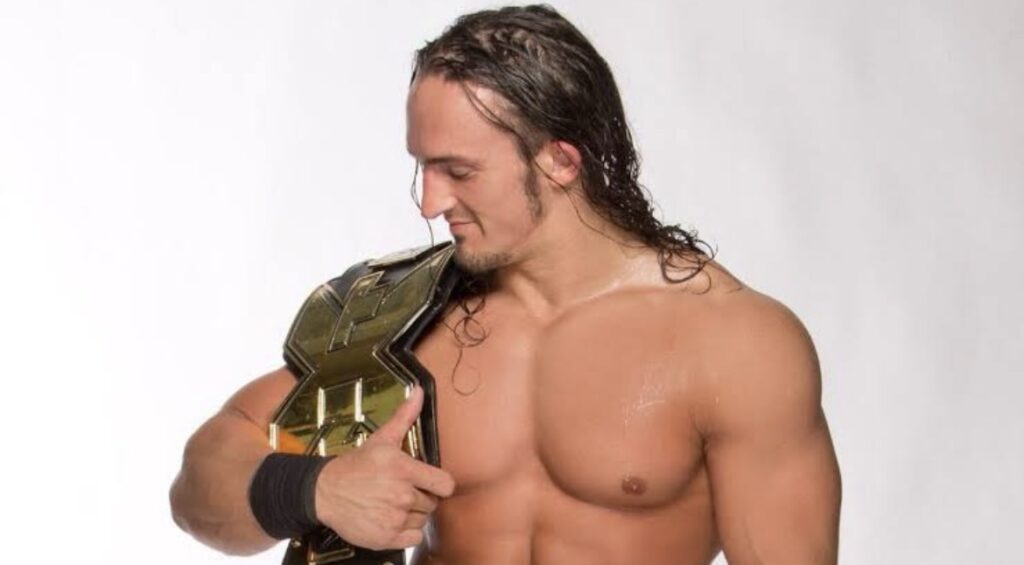
12 years ago, Benjamin Satterley (PAC, FKA Adrian Neville) taught me that there was more to wrestling. Layers and complexities that extended beyond impressive athleticism and “good vs. evil”, and, in the process, he left a lifelong impression on me.
We are now a day or so removed from an extremely emotional tribute show, and I feel mostly ready to write this. Truthfully, I wanted to write it sooner, after the emotion in the pit of my stomach kept me up most of Monday night, but what I wrote couldn’t really be made into anything of note. Part of that is because I, like many writers, turn to writing to express myself after someone passes. With that comes comparison and questioning whether I can effectively contribute something worthwhile. But I’m not aiming for literary perfection; I’m simply trying to explain what I have been feeling and why.
PAC was a truly unique wrestler. Sure, he was great, everyone knows that. But what I’ve been thinking about is how he had the talent and drive to perform things that nobody else’s abilities could match. The world is full of talented professional wrestlers, but, on Sunday, it lost one who was genuinely special. One of one. At only 40 years old, just a day after competing at AEW All Out, his death served as a reminder of how fragile life truly is. The gut punch we were met with over the weekend and into Monday morning was a sobering reminder that nothing can ever be taken for granted.
I got into wrestling back in July 2013, three months before my 10th birthday (which I’ve come to learn is probably a lot later than most) and I fell in love with the battle between good and evil being presented to me. I felt compelled to cheer for the good guy, as evidenced by the majority of my favourite wrestlers, beginning with Daniel Bryan at the start of my journey. At first, I thought the babyface vs heel dynamic was a foundation that couldn’t be moved. When it came down to your biggest matches and most gripping stories, it had to be good versus bad. Nothing else made sense. That was until I tuned into NXT.
Back then, WWE’s developmental brand was in its infancy. Regardless of the talent there, the show itself was still finding its feet, rooted at Full Sail and attempting to present something people hadn’t seen from a WWE-branded product in a long time. Once it arrived on the WWE Network and became visible to a wider audience, Adrian Neville was at the top.
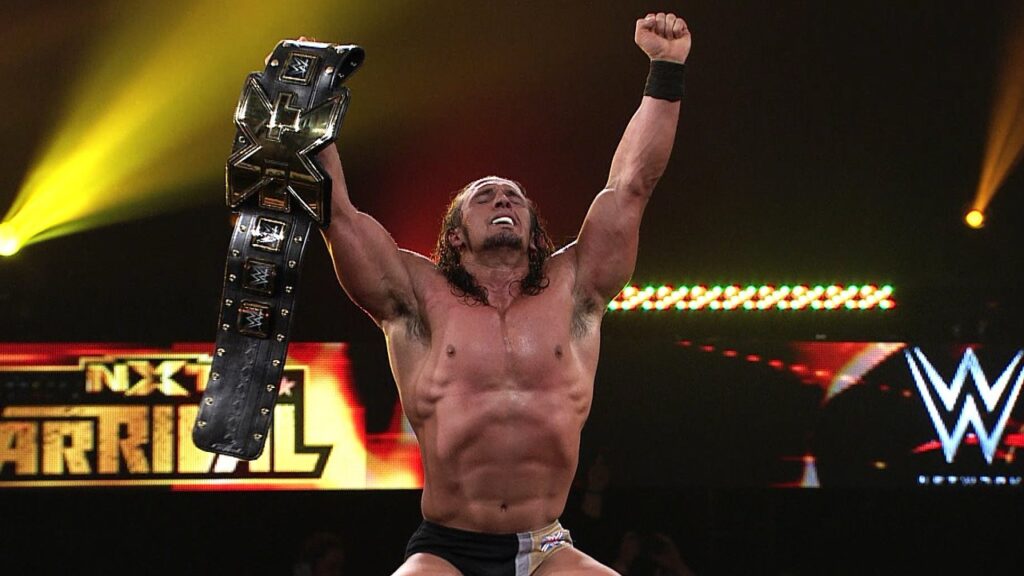
His athletic ability instantly blew your mind. He was somebody you just had to get behind. It seemed impossible that this was the kind of wrestler you could feel anything but love for, although we would later learn of his ability to play a heel perhaps even more effectively. Yet, as his reign as NXT Champion developed, the lines began to blur, and I started to see something I wasn’t used to.
Neville carried the NXT title with pride, assured that he belonged. He was the champion, and he emerged from every challenge with the gold. To him, to the brand and to the fans, the championship was the focus and the goal. While Neville had it all, other members of the NXT locker room had everything to gain. Sami Zayn began to measure his own worth by whether he could become the person, the champion, that Neville was.
While other challengers came and went, failure affected Sami in a way I had yet to experience as a wrestling fan. Losing an opportunity at the NXT Championship, even against someone as good as Neville, made him doubt himself. Both men were babyfaces and shared a genuine friendship on the show. As regular wrestling matches turned into repeated failures for Zayn, things escalated in a way that became increasingly difficult for their relationship to bear.
Having beaten Sami before, Neville understandably rejected the idea of giving Zayn another opportunity, even though he wanted his friend to succeed. He used tough love to remind Sami that he simply couldn’t win the big one, sowing further doubt in the mind of his increasingly desperate adversary. This was amplified when Neville used a fake knee injury to put Sami away. Both men knew that one had a killer instinct while the other didn’t.
So, Sami put himself into a do-or-die situation. He secured one last opportunity at Neville’s title, promising to leave NXT should he be second best yet again. He created a situation in which he had no choice but to rise to the occasion and embrace the mindset of a winner.
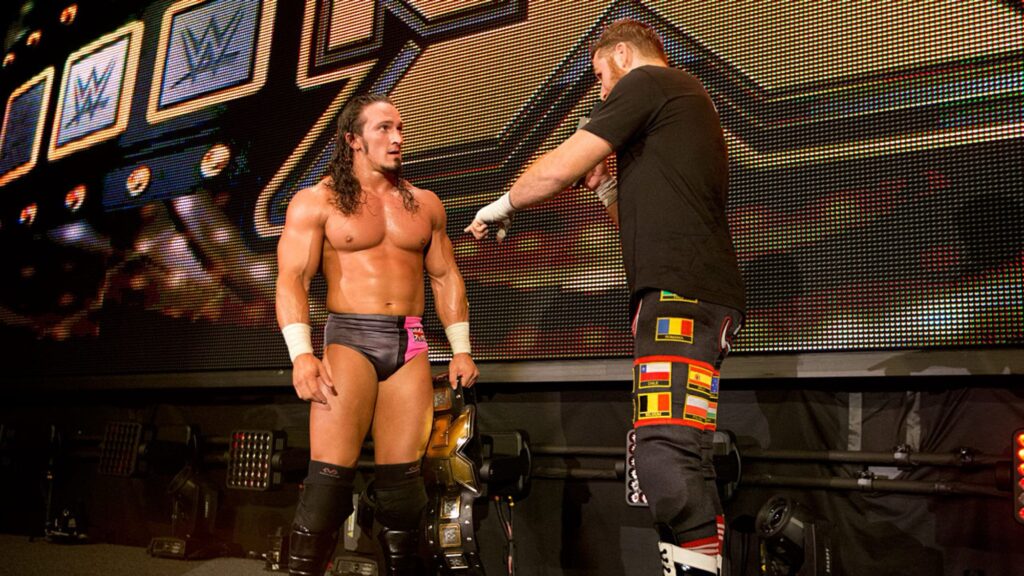
Through that, the dynamic between Neville and Zayn became uncomfortable. The challenger was pushing himself beyond his limits, while the champion refused to accept responsibility for potentially ending the NXT career of a true friend.
While Neville tried to approach NXT TakeOver: R-Evolution as just another title defence, Zayn’s self-doubt was almost balanced by the Newcastle native’s subconscious reluctance to pull the trigger on Sami’s NXT career. Both men were psychologically thrown off their game.
With the crowd overwhelmingly in favour of a title change, Neville filled the role of the heel, having played that part throughout the build without ever completing an actual heel turn. He took advantage of Sami’s good nature to gain a competitive edge, but he was a wrestler. Was he not supposed to do whatever it took to win?
The people began to turn on him for what, in his eyes, was simply being a consummate professional. It taught me that wrestling can be so much more detailed than its surface-level presentation. It taught me that characters can have genuine human emotions that are often far more compelling than simply cheering for the good guy while the bad guy garners cheap heat. You can do that, but you can also do so much more, because wrestling itself is so much more.
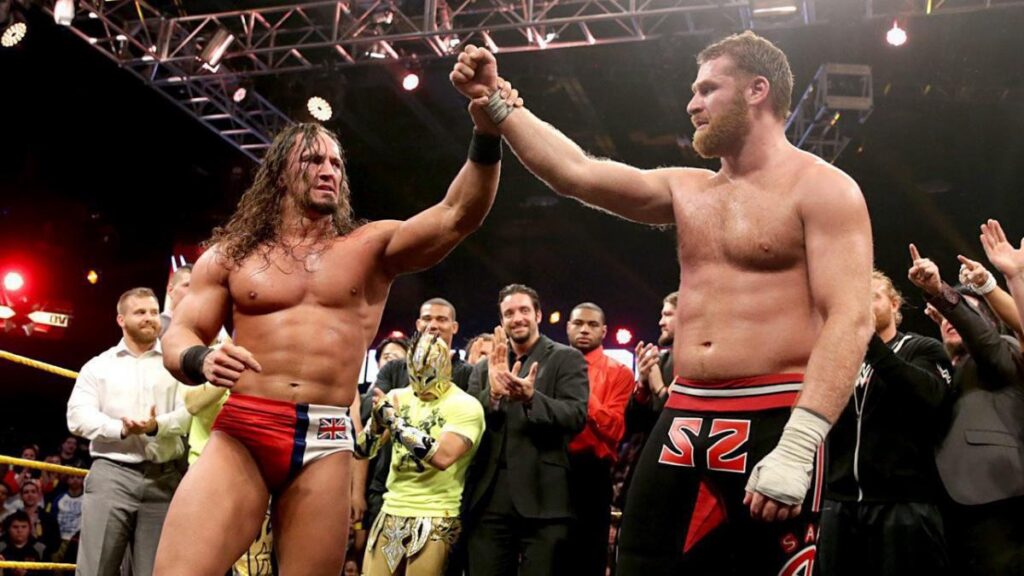
Non-fans who don’t understand wrestling struggle to see it as anything beyond “fake fighting”. I’m convinced that if people stopped thinking wrestling was trying to present itself as real, almost everyone would enjoy it. It is essentially a television show about a wrestling show, with the freedom to choose where you go, who wins, who loses and what matters, all while having the option to weave in the real backstories of the people playing the characters. That makes it a unique medium, truly unlike anything else.
Neville was unique, and his role in this story helped me form a lifelong bond with Sami Zayn as one of the wrestlers I cherish most dearly. That isn’t to diminish the role of “The Ultimate Underdog”, but Neville had an incredible ability to make everything his opponent did feel bigger without the audience necessarily realising his contribution in real time. He helped me find a connection and, in the process, left an everlasting impression on me.
PAC excelled at every single aspect of his craft: as a babyface, as a heel, in victory, in defeat and in everything that came with it. There isn’t a noticeable flaw anyone could point to in his in-ring work. Judging by the overwhelming heartbreak felt across the board since September 27, there isn’t a flaw anyone could point to in who he was as a person, either.
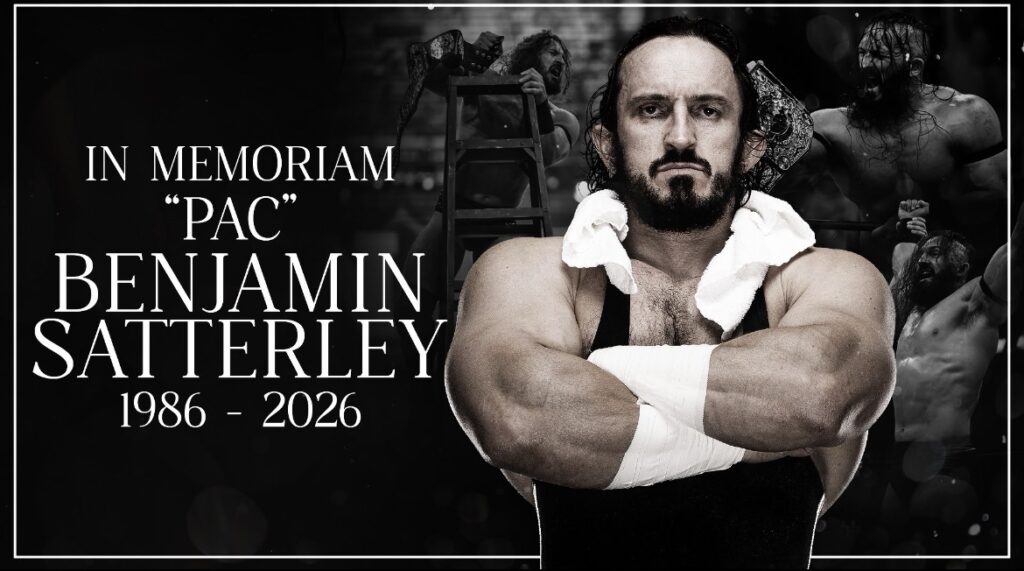
So, we sit here at a loss, wondering how someone so talented could be taken away in the blink of an eye. Someone who entertained us as he always did just the night before. Someone happy to get on with his job while fans and co-workers marvelled at what he could do. Someone who, especially for many Brits, was a hero, whether because he flew through the air with seemingly impossible aerial skill or because he showed us that anyone, from anywhere, could make a real go of it with the right attitude and work ethic.
His loss will be something we feel for years to come, but his body of work will live forever. I was introduced to him relatively late, which speaks to how extensive his career was, but I still have a mountain of PAC matches from his time in DragonGate to explore. In a way, I’m grateful that I still have new things to uncover whenever I want to remind myself of just how good he was and what he was born to do.
My thoughts go out to his family and friends, and to the fans who connected with him. To the Death Riders, the AEW locker room and anyone who feels even remotely affected by the loss suffered just a few days ago.
Never let anybody make you feel silly for caring deeply about something or someone that you love, even if that connection was formed through a television screen. Be passionate. Be hopeful. Never be afraid to tell people you love them.
Thank you Benjamin Satterley for being such a significant chapter in my journey as a wrestling fan.
Bastard forever.
